Through eleven days of this series, one country has come up again and again as the outlier.
Beer in Bali: £1.86. More expensive than Hua Hin, Phuket, Chiang Mai and Pattaya.
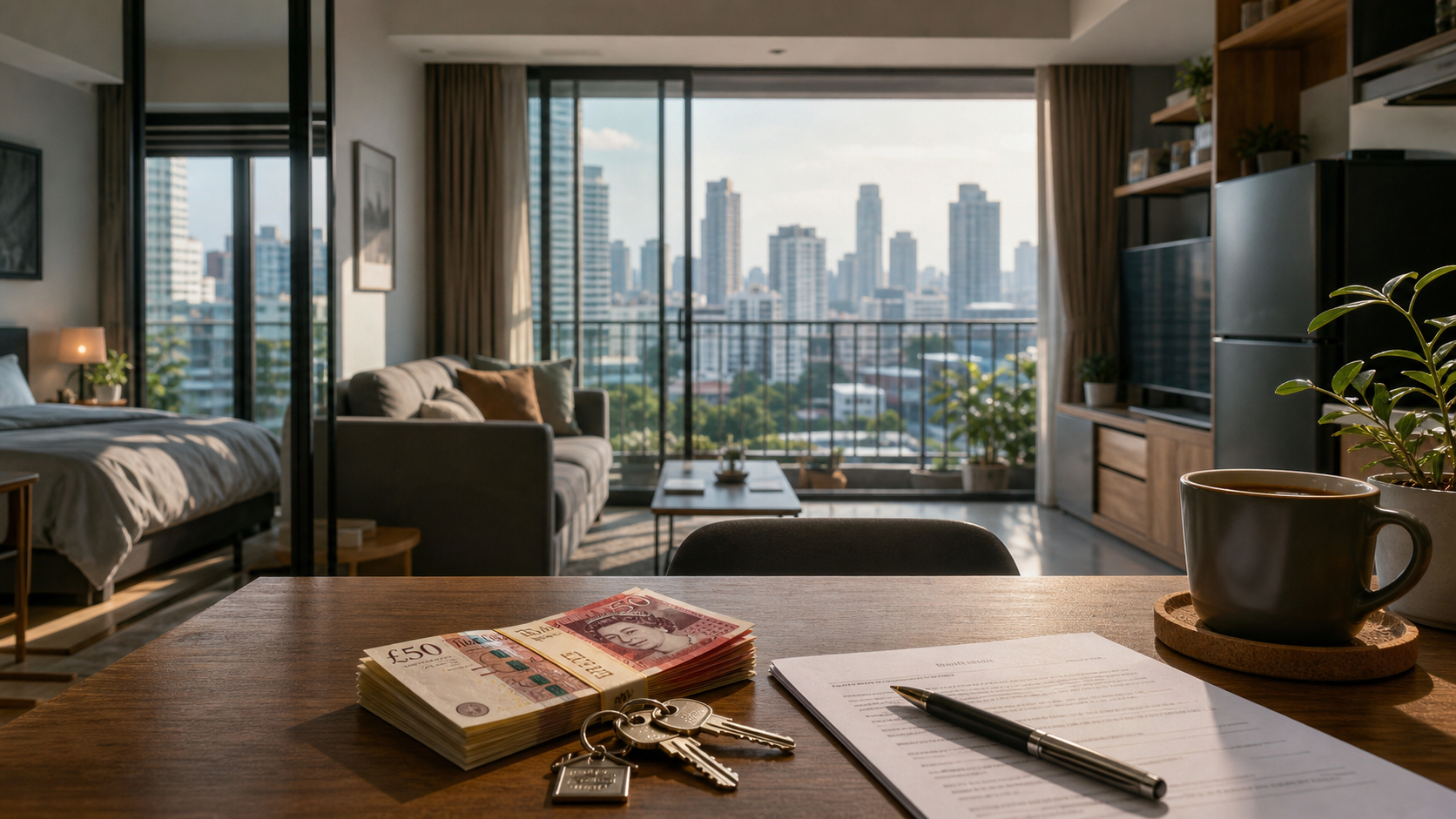
Rent in Bali: about £900 a month for a one-bed in Canggu or Seminyak. More than central Bangkok. Far more than Hanoi.
Haircut in Bali: £10-£18. Higher than Bangkok. Approaching Tokyo’s budget tier.
Coffee in Bali: £3.85. More than London. Triple what you would pay in Vietnam.
Massage in Bali: £11-£18 at any decent place. Roughly double Thailand.
In every index we have run, Bali has been the surprise. Cheap country, expensive island. The numbers do not fit the narrative.
This is the Bali Paradox. Today we unpick it.
Indonesia is genuinely cheap. Bali is not Indonesia.
Indonesia has 280 million people spread across thousands of islands. It has a GDP per capita broadly in the same development band as Vietnam. By every standard economic measure, it is a cheap country. The kind of country where a Brit on a UK pension should be able to live remarkably well.
And it is, if you go to the right places.
Yogyakarta: one-bedroom apartment central, about £180 a month. Beer around £1.50. Coffee around £1.20. Mid-tier meal around £2.50.
Surabaya: one-bedroom apartment central, around £240. Cost of living far lower than Jakarta and dramatically lower than Bali.
Bandung: one-bedroom around £180-£220. Strong food scene, pleasant weather, decent infrastructure.
Jakarta: the actual capital, and still cheaper than Bali in many normal categories. A central one-bed can sit around £300-£450. Coffee around £1.80. Beer around £2.50.
These are all in the same country as Bali. Same currency. Same government. Same broad economy. And every one of them is dramatically cheaper than Bali on the categories that decide daily life.
The point is not that every number is perfect. Cost-of-living databases are approximations. The point is the direction is too large to ignore. Bali is not a little more expensive than the rest of Indonesia. Bali is a different economy wearing the same flag.
If Bali were treated as an ordinary Indonesian city, it would be the expensive one.
Why this happened
Bali is not expensive because Indonesia is expensive. It is expensive because Bali, as an economic unit, has been detached from the rest of Indonesia by foreign demand.
The mechanism is straightforward. From around 2008 onwards, Bali became the dominant Southeast Asian destination for Australian tourists. From around 2015, the global digital nomad community converged on Canggu and Ubud. After COVID, the volume accelerated as remote work normalised and “Bali” became shorthand for “tropical paradise where you can run your business.”
Bali has millions of residents and millions of annual visitors. In the places foreigners actually use, the economy services visitors, not locals.
When a foreign-dominated economy collides with a local-priced one, prices rise to meet the foreigners. Australian backpackers and European digital nomads will pay £3 for a coconut, £5 for a smoothie and £15 for a basic Italian meal. Local Balinese cannot afford those prices and increasingly do not try to.
The two economies split. The tourist economy keeps inflating. The local economy is squeezed onto its edges.
That is the structural answer to the paradox. Bali is not expensive in the way Singapore is expensive. Singapore is expensive because the underlying economy is expensive. Bali is expensive because a local economy was overlaid with foreign purchasing power, and prices rose to whatever foreign demand would tolerate.
The Canggu reality
Canggu in 2026 is the densest digital nomad hub in Southeast Asia. It has a local village base, a large long-stay foreign population, and a constant churn of short-stay tourists.
The reality on the ground is not the clean Instagram version.
- Traffic gridlock on narrow village roads.
- Food and water hygiene that still catches out new arrivals.
- Villa security worries that are unusual for Southeast Asia.
- Air-quality problems driven by traffic, burning and weather patterns.
- Power cuts, water pressure issues, building work and infrastructure trying to keep up with a growth model it was never built for.
And the pricing:
- One-bedroom villa: £800-£1,500 a month
- Coworking membership: £150-£250 a month
- Coffee at a digital-nomad cafe: £3-£5
- Western-style breakfast: £8-£15
- Decent dinner out: £15-£40
- Yoga class at a popular studio: £12-£20
- Surf lesson: £30-£60
The monthly budget to live like the Instagram version is easily £1,800-£2,500. That is more than Bangkok. Sometimes more than Tokyo if you live carefully in Tokyo.
The pitch is that Bali is paradise. The reality, by 2026, is that parts of Bali have become congested, polluted, expensive tourist towns with beautiful beaches attached.
And the beaches are no longer a secret.
Why nobody updates the myth
The “cheap Bali” narrative has stayed alive in British and Australian travel culture despite a decade of evidence against it.
There are three reasons.
One: the Instagram economy is paid to keep the myth alive. Bali is one of the most photographed places in Southeast Asia. Travel influencers make money by promoting it. Travel companies make money by selling it. The cheap-paradise narrative is the marketing.
Two: anchoring on 2010. Plenty of people in their forties and fifties remember Bali from a backpacking trip in 2008-2012, when it genuinely was cheap. Their mental price index is fifteen years out of date.
Three: comparison shopping does not happen. Most tourists going to Bali do not price-compare with Yogyakarta, Bandung or Surabaya. They may not even seriously know those cities. The cheap Indonesia the brochures promise is mentally located in Bali because that is where the brochures point.
The actual cheap Indonesia is somewhere else.
The result: a country where the most expensive island is sold as the cheap option, and the genuinely cheap parts of the country are invisible to the foreign market that would benefit most from them.
What you get for £900 in Bali vs £180 in Yogyakarta
This comparison is the whole article.
£900 in Bali: a one-bedroom villa in Canggu, probably with a small pool, in an area with heavy traffic, intermittent infrastructure issues, surrounded by tourists, with local government under pressure and a constant churn of construction. You are paying premium prices for tropical congestion.
£180 in Yogyakarta: a one-bedroom apartment in a real city in central Java, near universities, restaurants, hospitals and supermarkets. Reliable enough infrastructure, a serious food scene, an arts scene, walkable pockets, and a cost base that still feels transformative against the UK.
Same country. Same currency. Very different life.
This is the heart of the paradox. Bali is not a bad cost-of-living proposition because it is a tropical paradise. The tropical paradise still exists if you go far enough away from Canggu and Ubud. Bali is a bad bargain because too much of the foreign-facing version now gives you tourist prices for tourist infrastructure.
Where the real cheap Indonesia hides
If you are a British retiree or remote worker actually interested in Indonesia rather than the Bali Instagram dream, the country has serious options.
Yogyakarta
The cultural heart of Java. UNESCO-listed temples nearby, universities, arts, food, and a much lower cost base. Rent can sit around £180-£280. Total monthly budget around £700-£900. The catch: less expat infrastructure than Bali and a longer route to many international flights.
Bandung
West Java’s mountain city. Cooler than the coast, excellent food, strong cafe culture, and close enough to Jakarta for access. Rent around £180-£250. Total monthly budget around £700-£950. The catch: pollution and traffic.
Surabaya
Indonesia’s second city. Industrial, working, real. Rent around £200-£320. Total monthly budget around £800-£1,000. The catch: less tourist-friendly, hot, humid and fewer Western-oriented comforts.
Jakarta, selectively
The capital is expensive by Indonesian standards but offers city-scale amenities and the best healthcare access in the country. Rent can sit around £400-£700 in mid-range expat neighbourhoods. The catch: traffic and air quality.
Lombok
The island next to Bali. Beautiful, less developed and much cheaper. Tourist-area accommodation can be around £250-£450. Daily costs are materially lower than Bali. The catch: weaker infrastructure and fewer expat services.
Bali’s quieter corners
Even within Bali, the prices vary wildly. Amed, Lovina and Munduk do not behave like Canggu. They are cheaper, quieter and closer to what people think Bali still is. They just do not trend the same way online.
If you want Bali specifically, go to one of those. The classic mistake is to do the Canggu/Ubud circuit and then conclude Indonesia is expensive.
You have not been to Indonesia. You have been to the tourist economy attached to it.
The lesson for everywhere
The Bali Paradox is not unique to Bali. It is a model of what happens when foreign demand decouples a single location from its national economy.
Other examples are forming around Asia.
Hoi An, Vietnam: pricier than Da Nang or Hue despite being in the same country. Heritage tourist site, charm tax.
Chiang Mai, Thailand: still cheaper than Bangkok, but priced higher than its underlying local economy would suggest in Nimman and the digital-nomad zones.
Boracay, Philippines: famously over-touristed, with prices far above many alternatives in the same country.
Hua Hin, Thailand: expensive for a small Thai town because retired Europeans have priced up the central beach areas.
The pattern repeats wherever a place becomes globally famous as “the cheap paradise.” Foreign demand arrives, prices rise to meet it, the cheap paradise stops being cheap. Locals adapt or leave. Tourists keep coming.
For a British retiree or remote worker, the lesson is the same one this series keeps making: do not buy the headline. Run the numbers. The cheapest part of any country is rarely the part you have heard of.
The Bali timeline
If you must go to Bali, here is the honest forecast.
2026-2028: prices continue to rise faster than Indonesian wages. Canggu becomes increasingly difficult as a daily-life proposition. Pererenan, Ubud and Sanur absorb more of the spillover. Lombok starts getting more of the people who fled Canggu.
2028-2032: Bali starts being recognised globally as expensive. Western media coverage shifts from “cheap paradise” to “ruined by tourism.” Smart British and Australian retirees migrate to Lombok, Lovina or out of Indonesia entirely.
2032-2035: Bali stabilises as a higher-end tropical destination. Prices look closer to a mid-tier Mediterranean destination than to a cheap Asian one. The cheap-paradise era is over.
Yogyakarta and Bandung remain genuinely cheaper because they are not part of the same tourist economy and are not exposed to the same foreign-demand cascade.
If you are holding sterling and looking at Indonesia, the move is to skip Bali as the default. Land in Java. Live in Yogyakarta. Visit Bali for a week, see what you avoided, and go home.
The takeaway
Three things follow from the Bali Paradox.
One: never assume an island is cheap because the country is cheap. The smaller the island, the more famous, the more likely it is expensive. This is a global pattern, not a Bali-specific one.
Two: Indonesia is genuinely one of the best-value retirement and remote-work destinations in Southeast Asia if you go to the right places. £700-£900 a month gets you a comfortable life in Yogyakarta or Bandung. £180 can get you a decent flat. £1.50 can get you a beer.
Three: the Bali Instagram myth has cost British and Australian expats serious money. People who could have been living for £900 a month in Yogyakarta instead paid £2,000 a month in Canggu. They thought they were getting the bargain. They were getting the brochure.
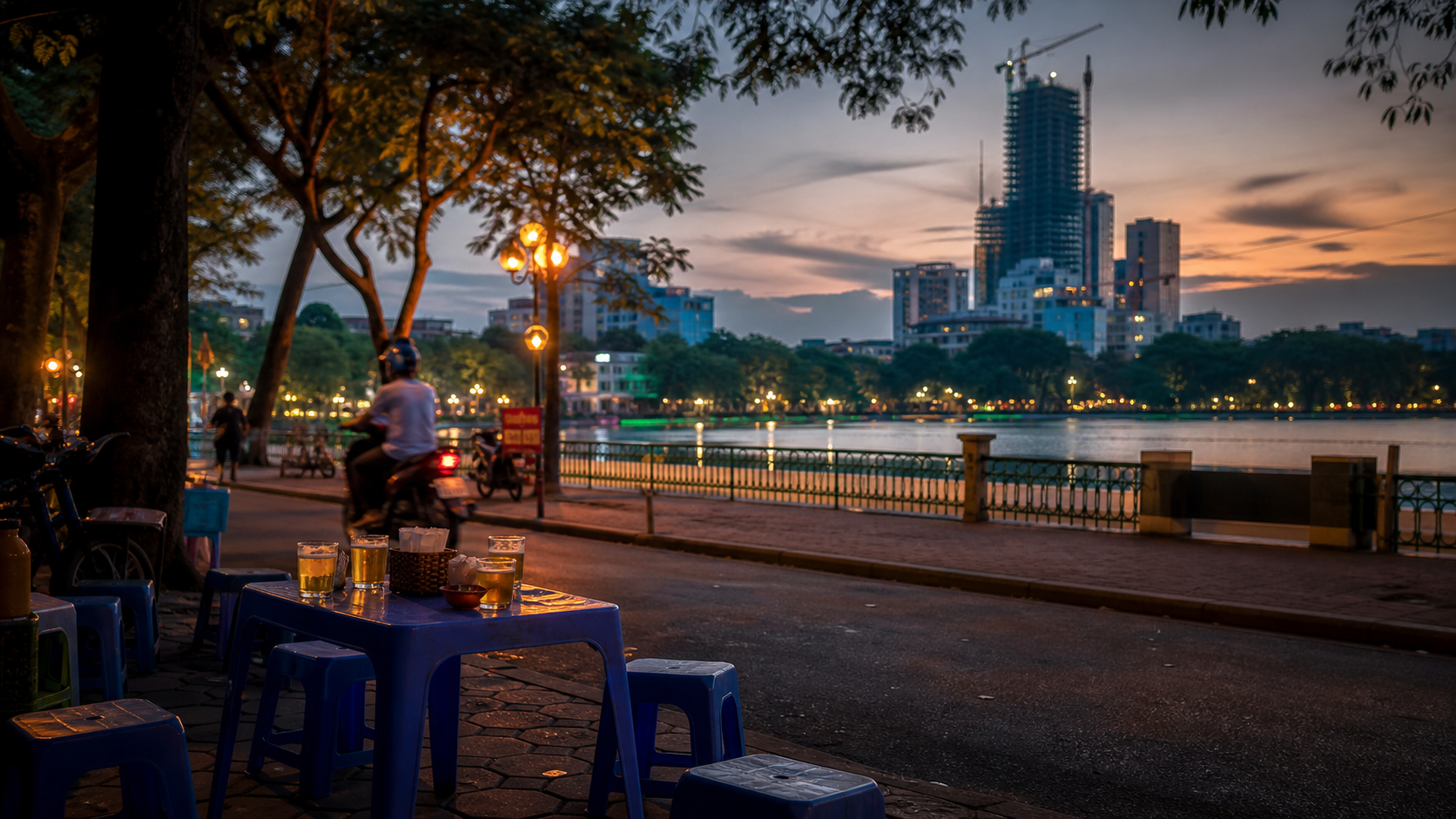
Mine’s a £1.50 Bintang in a Yogyakarta warung, surrounded by Indonesian families, with nobody trying to sell me a sound healing session or a retreat.
The pound still has power. Just not on the island the brochures promised.