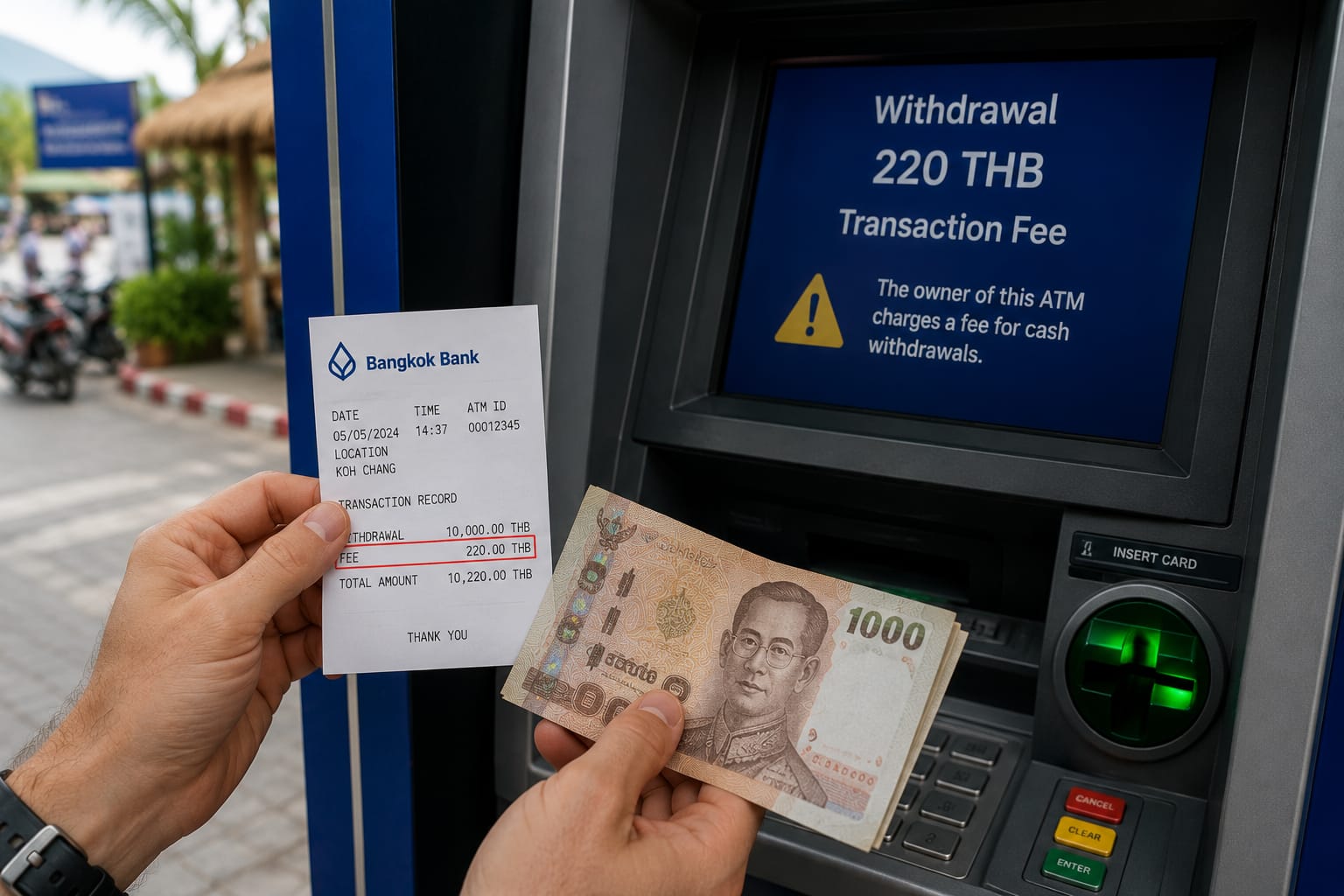
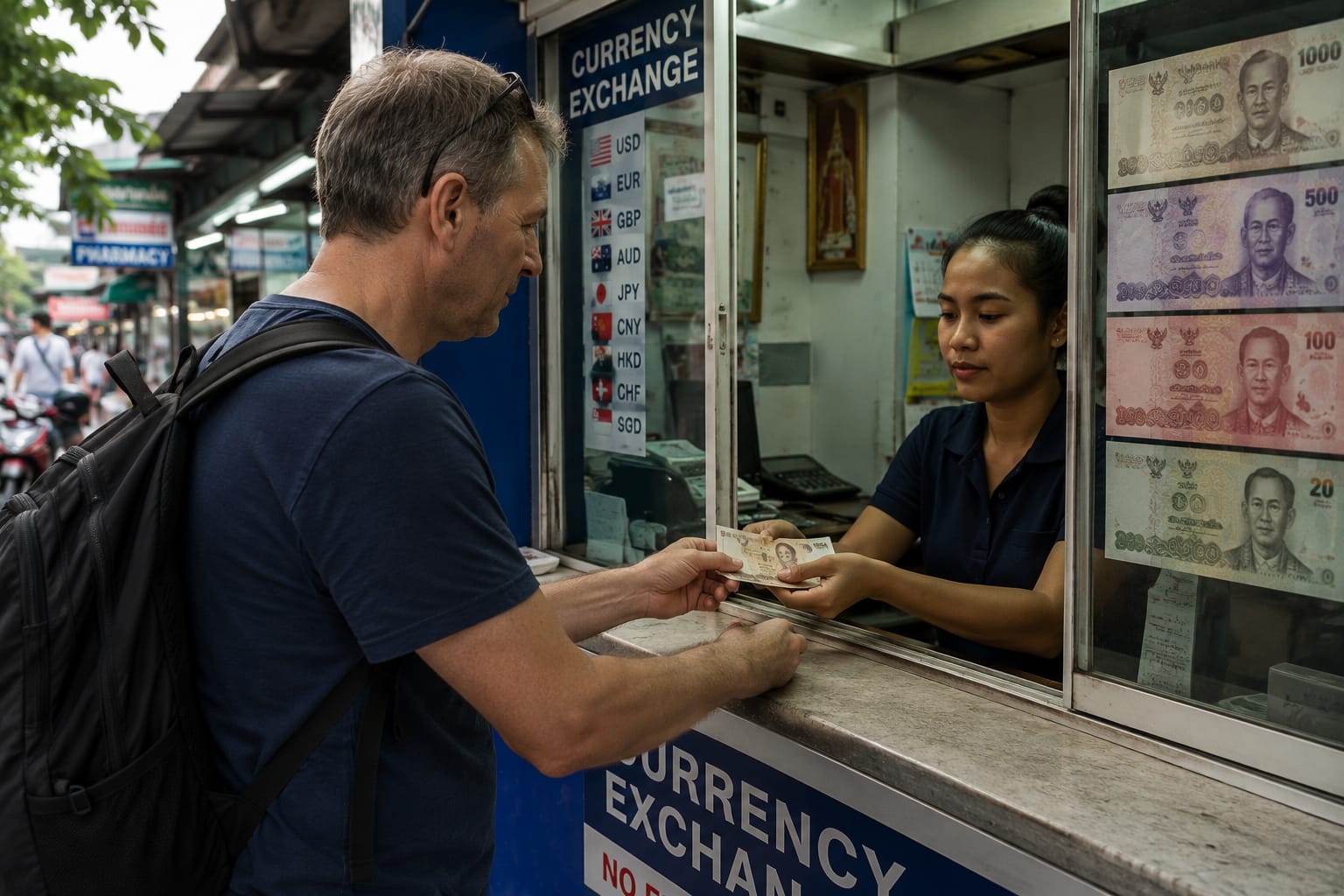
The first thing worth saying is that the choice is only obvious once you compare the actual card statement, ATM slip and exchange rate together. A card that looks free can still lose on the rate, and a card with a visible fee can still be easy to audit.
The losses are not dramatic on any single transaction. They come from foreign-transaction fees, card-scheme conversion, provider conversion fees, ATM operator charges, dynamic currency conversion and poor exchange rates. Over a fortnight that compounds into real money, and almost nobody notices because it is spread across dozens of small payments.
The cards, ranked by what they actually cost
| Card | FX approach | ATM note | Monthly cost | Verdict |
|---|---|---|---|---|
| Wise | Visible conversion fee and live quote | Allowance and fees depend on current Wise terms | No monthly fee at time of check | Easy to audit |
| Chase UK | Card-scheme rate, check current terms | Check current Chase limits and fees | Check current terms | Simple backup |
| Starling | Mastercard rate, no Starling overseas fee stated | ATM operator may still charge | No monthly fee stated | Solid all-rounder |
| Revolut | Plan, fair-use and timing rules matter | Allowance and fees depend on plan | Depends on plan | Good if you already understand the app |
| UK bank debit | Varies by bank and account | Often card and ATM fees to check | Depends on account | Emergency backup only |
Why Wise won the fortnight
Wise holds THB alongside other currencies. You top up in pounds, see the conversion quote before accepting it, then spend from the baht balance. That makes the cost easier to audit than a card where the margin only appears later in the statement.
The practical effect is that the rate stops being a surprise. You decide when to convert rather than letting a card scheme decide for you at the till.
Chase UK, the no-thought backup
Chase UK can be a useful backup when its current account terms fit your trip. Check the latest fee document before relying on it for withdrawals, limits or card spend abroad.
ATM strategy that survives contact with a Thai machine
- Withdraw large and rarely, 10,000 to 20,000 THB at a time.
- Most Thai ATMs currently show a local operator fee on foreign cards, commonly 220 THB. Check the on-screen fee before accepting.
- Always choose to be charged in THB, never GBP, when the machine offers conversion.
- Pay by card wherever it is accepted; it avoids the 220 THB fee entirely.
My actual setup
- Wise card as the primary for everything.
- Chase UK or Starling as the backup, after checking current overseas and ATM terms.
- A UK bank card for emergencies only, left in the hotel safe.
If you want the budgeting side of this, our companion piece on how much baht two weeks really costs runs the daily numbers by travel style.