This guide keeps The Baht's practical planning focus and was last checked on 9 July 2026. It points toward newer live-rate, visa, banking and transfer pages where those are more current.
Typical monthly cost on Koh Phangan (one person)
| Item | Per month (THB) | Approx (GBP) |
|---|---|---|
| Rent, one-bed or bungalowseasonal, higher in high season | 10,000 to 22,000 | £230 to £500 |
| Food and groceries | 9,000 to 16,000 | £205 to £360 |
| Transportscooter dependent | 1,500 to 3,000 | £34 to £68 |
| Utilities and internetaircon and water cost more on an island | 2,500 to 5,000 | £57 to £114 |
| Leisure, health and misc | 3,000 to 7,000 | £68 to £160 |
| Estimated total | 26,000 to 48,000 | £590 to £1,090 |
Ranges are indicative for one person, mid-2026, converted at about 44 THB to the pound. Check the live rate before committing.
The island premium
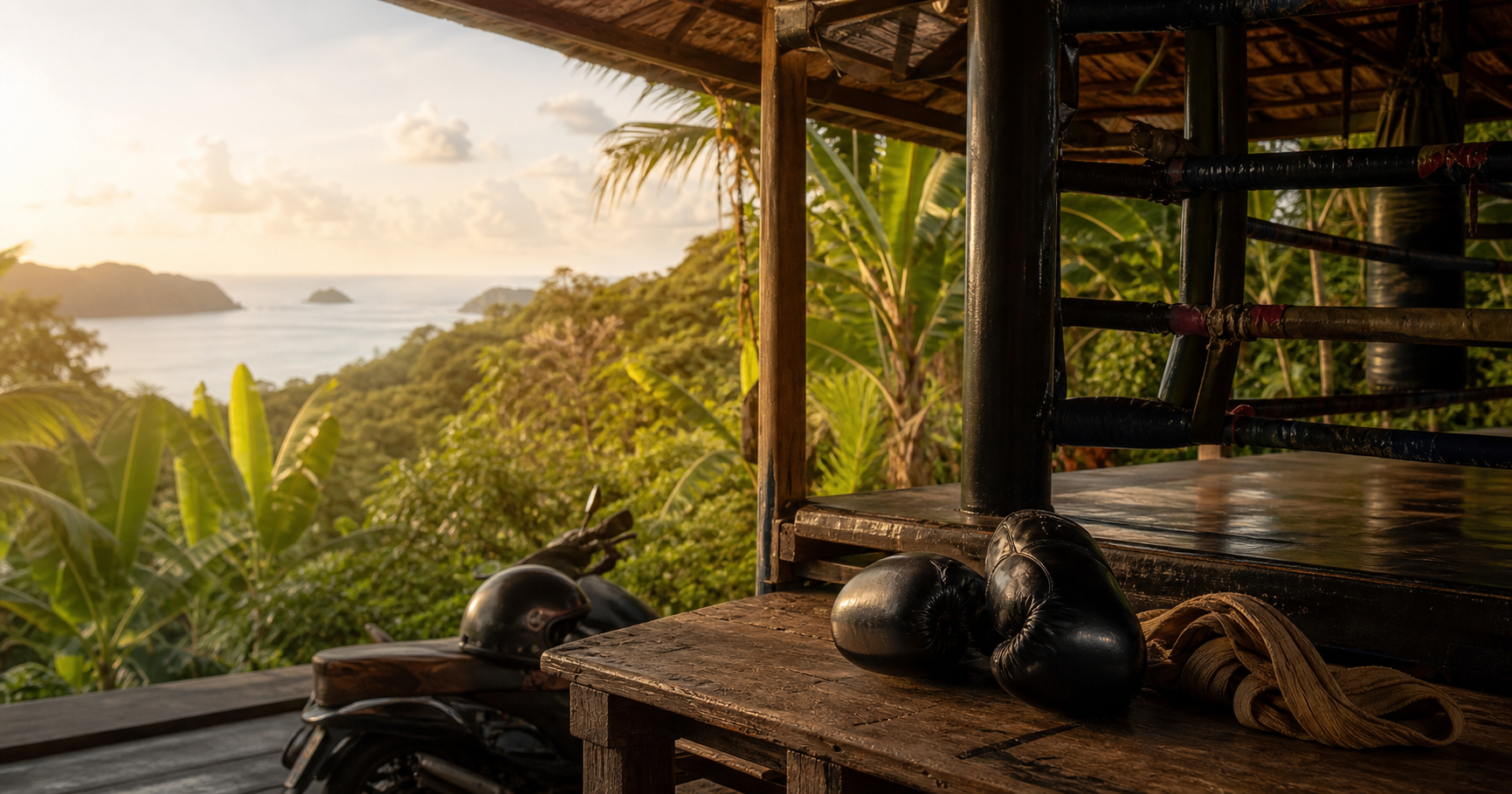
Islands add cost through transport, supply chains, seasonal rent, electricity arrangements and fewer fallback options. A cheap bungalow can be good value, but air conditioning, scooter costs and food choices change the final number.
High season and event periods can distort rent. Long-stay visitors should avoid judging the annual budget from one quiet-month quote.
Transport and daily logistics
Many residents rely on scooters. That can keep daily movement cheap, but it adds insurance, safety and maintenance risk. If you are not comfortable riding, transport can become more expensive and restrictive.
Healthcare access is thinner than Bangkok or Chiang Mai. For serious issues, travel to Samui, Surat Thani or Bangkok may be needed.
Coworking, fitness and community
Koh Phangan has digital-nomad, yoga, wellness and training communities, but those routines are often priced for foreign demand. Budget for coworking, gyms, classes and social spending if they are central to the plan.
A low-rent island plan can become expensive if every day runs through foreigner-facing cafes and paid activities.
Plan in baht
For longer stays, track rent, deposits and recurring costs in baht, then translate them into pounds at the current rate. A weak pound can turn a comfortable island plan into a tight one quickly.
Frequently asked questions
How much does it cost to live on Koh Phangan?
Plan for roughly 26,000 to 48,000 THB a month for one person, about £590 to £1,090. Island logistics, seasonal rent and imported goods push the number above a similar mainland budget.
Is Koh Phangan good for long stays on a budget?
It can be, if you keep rent modest and do not run every day through foreigner-facing cafes and paid activities. High-season rent spikes and thin healthcare access are the main budget risks.
Do I need a scooter on Koh Phangan?
Most residents rely on one. It keeps daily movement cheap but adds insurance, safety and maintenance costs. If you are not comfortable riding, transport becomes more expensive and restrictive.
Useful next reads
Checked note: These figures are indicative planning ranges, not quotes. For rate-sensitive or rule-sensitive decisions, check the dated sources, the live GBP/THB rate and the current linked pages before acting. Provider prices, rent, visa rules, tax guidance, banking requirements and insurance terms can change.